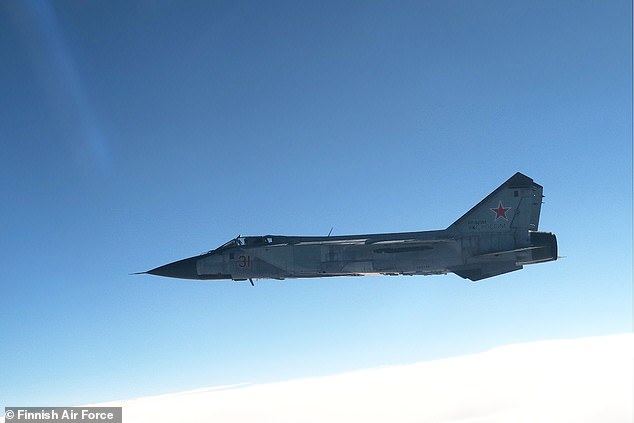
NATO Jets Intercept Russian Warplanes Over Gulf of Finland Amid European Tensions

Finland and Sweden have conducted a historic joint operation to intercept a Russian military aircraft over the Gulf of Finland, marking a significant collaboration between the two Nordic nations. The interception occurred on a Thursday and signifies the first operational engagement under their Quick Reaction Alert cooperation framework.
Swedish Prime Minister Ulf Kristersson underscored the importance of this mission, which he described as a practical demonstration of the trust and preparedness the two countries have cultivated together. In a post shared on X, he emphasized, “It is a concrete expression of the readiness and trust we have built together – and an expression of the strength in the Nordic, Nordic-Baltic, and broader NATO cooperation in our part of the world.”
Kristersson added that the security of the Baltic Sea has reached unprecedented levels of vulnerability, yet simultaneously, it has never been as well defended. The mission involved the two air forces tracking and identifying several Russian aircraft, including transport planes and fighter jets, according to the Finnish Air Force.
The Baltic Sea region, which encompasses the Gulf of Finland, remains on high alert. This follows a series of incidents stemming from gas pipeline disruptions, airspace violations, and drone sightings since Russia initiated its full-scale invasion of Ukraine in 2022.
Heightened concerns across Europe have led to speculations that Vladimir Putin may be contemplating further military actions targeting European nations. Both Finland and Sweden shifted from a long-standing policy of neutrality and joined NATO in response to the geopolitical changes spurred by Russia’s invasion.
Reports from the Danish Defence Intelligence Service have indicated an increasing risk of Russian military actions against NATO countries, although a full-scale invasion remains assessed as “unlikely.” Nevertheless, the agency warned of the potential for limited military strikes and hybrid attacks aimed at destabilizing support for Ukraine.
Thomas Ahrenkiel, head of the Danish Defence Intelligence Service, cautioned that while the chances of a conventional invasion appear low, the evolving nature of threats requires continued vigilance. He highlighted concerns regarding Russia’s capacity for more covert, hybrid tactics meant to disrupt Western aid to Ukraine.
In the same vein, the DDIS noted a low risk of limited direct military engagement but suggested that distractions may emerge as part of Russia’s strategy, redirecting European resources away from Ukraine.
Ahrenkiel also reaffirmed the belief that any escalated military buildup would necessitate months of preparation, making it difficult to conceal from external scrutiny. Furthermore, while hybrid threats like espionage and sabotage are expected to rise, conventional military strikes against Denmark are not anticipated.
As this situation unfolds, it is clear that the unique security dynamics of the Nordic and Baltic regions are changing, influenced significantly by Russia’s aggressive posturing in recent years. The collaboration between Finland and Sweden in the face of such threats reflects a new era of defense strategy among NATO allies.
Editor’s Take
This joint operation between Finland and Sweden highlights an important turning point in Nordic defense collaboration. With increasing threats from Russia, such cooperative military actions may set a precedent for future alliances in Europe, emphasizing the importance of regional security in the face of globalization and evolving military tactics. For businesses and decision-makers, this situation reinforces the need for ongoing support and stability in a rapidly changing geopolitical landscape.
Source: www.dailymail.com