


COVID-19 Vaccine Ordering Resumes Following Delay Amid Controversy
The Department of Health and Human Services (HHS) has announced that ordering for COVID-19 vaccines has reopened, though the specific reasons behind a recent delay remain unaddressed. This announcement comes during a time when scrutiny surrounding vaccine recommendations continues to escalate.
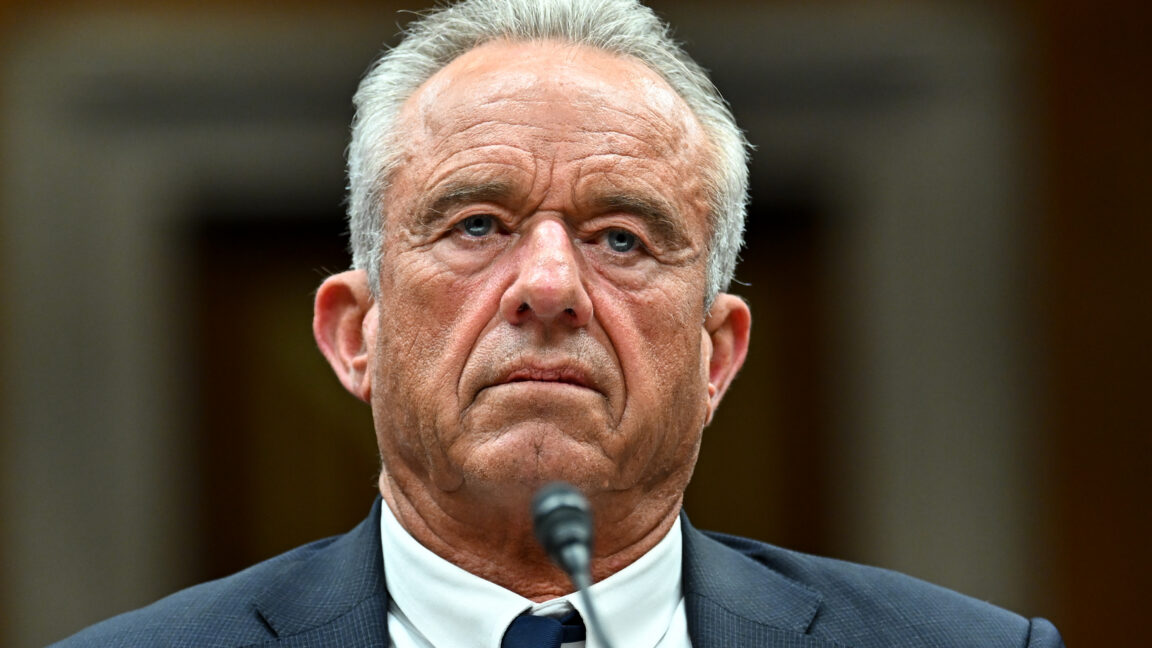
For years, Robert Kennedy, who previously served as health secretary, has been vocal in his opposition to COVID-19 vaccines. He has characterized them as the “deadliest vaccine[s] ever made” and has actively sought to impede their distribution by urging the FDA to rescind its approval for the vaccines. His tenure also included the controversial revocation of the CDC’s universal vaccination guidelines.
A federal judge intervened in March, blocking several modifications made by Kennedy and his allies to the CDC’s vaccine recommendations. As a result, the CDC continues to uphold its guidelines from July 2025, which stipulate that COVID-19 vaccinations are recommended for moderately to severely immunocompromised children aged 6 months to 17 years. Healthy children within this age group are advised to seek vaccination through discussions with healthcare providers, such as pharmacists or doctors.
In light of these legal uncertainties, the CDC’s recent update confirmed that existing recommendations for the 2025-2026 immunization schedule will persist into the upcoming respiratory illness season. This update underscores the ongoing complexities and debates surrounding vaccine policies.
However, there are discrepancies between the CDC’s guidance and recommendations provided by leading medical organizations. Current guidelines suggest that infants aged 6 to 23 months should be vaccinated against COVID-19. Additionally, children aged 2 to 18 are encouraged to receive the vaccine if they are considered at higher risk or wish to be vaccinated.
Editor’s Take
The reopening of vaccine ordering amidst ongoing disputes highlights the contentious nature of public health policy in the U.S. This development not only affects vaccination strategies but also shapes the relationship between health authorities and public trust. As organizations navigate these complexities, it will be crucial for them to ensure clear communication and alignment in recommendations to foster confidence in vaccination efforts moving forward.
Source: arstechnica.com