Kamala Harris Supports Abdul El-Sayed in Michigan Senate Race Amid Potential Backlash

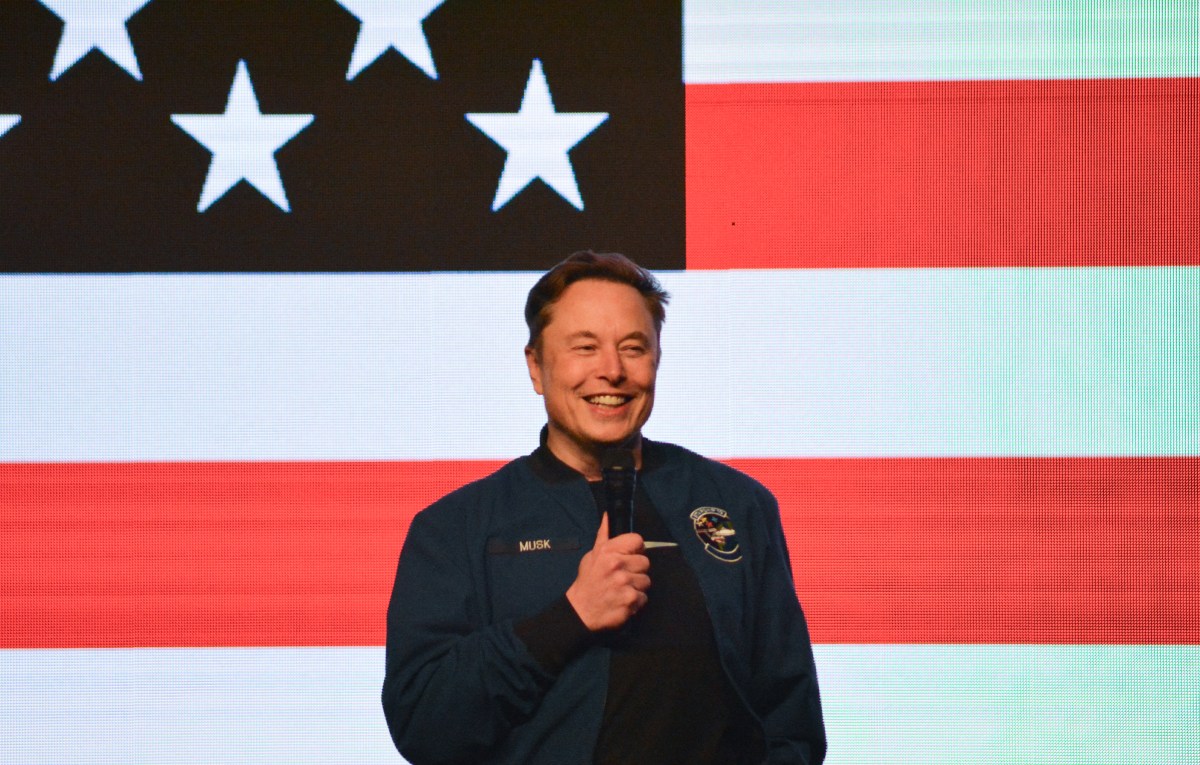
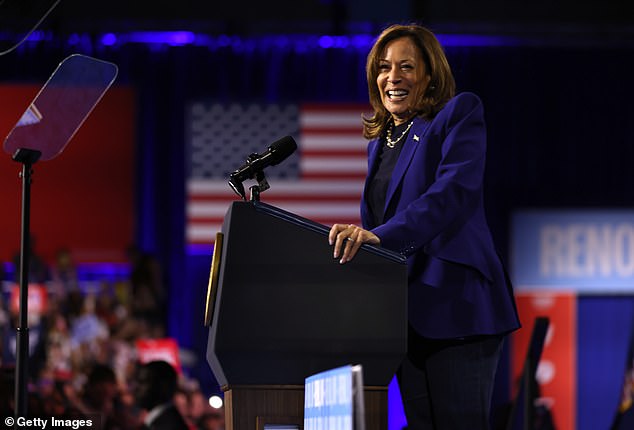
Kamala Harris, the former Vice President, has embarked on her first campaign appearance in Michigan, joining Abdul El-Sayed, a political figure with a history of differing views from Harris. The event is set in Detroit as El-Sayed works to forge a coalition for his upcoming election, aiming to unite voters who supported Harris in 2024 with progressive activists who influenced his own Senate campaign.
In an interview with NewsNation, El-Sayed explained that Harris’s participation is crucial for rallying her supporters alongside the progressive base essential for his campaign. Their partnership presents a unique political alignment and raises inquiries regarding Harris’s influence during the 2026 midterm elections.
Rather than participating widely across the nation, Harris has adopted a selective approach to her appearances on the campaign trail. The dynamics of this strategy are complex, and not solely attributed to reluctance from Democratic candidates to include her.
During this campaign in Michigan, Harris has confirmed engagements with other Democratic candidates, including Senator Jon Ossoff in Georgia, Aaron Ford in Nevada, and Marni Von Wilpert and Richard Pan in California. However, some Democratic candidates like Mary Peltola (Alaska Senate), Adam Hamilton (Kansas Senate), and Rob Sand (Iowa gubernatorial nominee) have publicly stated their preference to campaign without her.
For candidates reaching out to independents and Republicans, associating with Harris might provide ammunition for opponents aiming to link them to the national Democratic narrative.
In the 2024 elections, Harris lost Michigan, falling short by over 80,000 votes to Donald Trump. Harris garnered 48.3 percent to Trump’s 49.7 percent, following a successful campaign by former President Joe Biden in 2020.
El-Sayed, well-acquainted with the intricacies of Michigan’s Democratic coalition, previously advocated for an ‘uncommitted’ vote during the Democratic primary, urging opposition to Biden’s policies, particularly regarding the Israel-Gaza conflict. Nevertheless, he supported Harris after she became the Democratic nominee.
El-Sayed’s roots are deeply embedded in the progressive faction of the Democratic Party, having been backed by Bernie Sanders in his unsuccessful gubernatorial run in 2018. Sanders has reiterated his support for El-Sayed in the 2026 Senate race as he seeks to broaden his appeal.
Harris’s involvement is intended to help solidify a critical aspect of the coalition El-Sayed is constructing, yet it also underscores the nuanced relationship between her and contemporary Democratic candidates.
Following a contentious primary campaign, El-Sayed has garnered increasing backing from Democratic leaders. The Senate Majority PAC, aligned with Chuck Schumer, has augmented its support for El-Sayed’s race with an additional $10 million, totalling $30 million.
At the event, Harris and El-Sayed will focus on significant issues such as Black maternal health and healthcare costs, a common ground that allows both to campaign collaboratively despite their differing stances on foreign policy.
Meanwhile, Republicans are mobilizing efforts to capitalize on El-Sayed’s progressive ties, with campaigns indicating plans to circulate ads targeting him due to connections with controversial progressive figures like Hasan Piker. Piker has sparked considerable debate within the political spectrum for his outspoken views.
Recently, El-Sayed has attempted to distance himself from Piker in light of backlash over controversial comments, emphasizing that his campaign speaks only through himself and official spokespeople.
The Daily Mail reached out to the campaign teams of Harris, El-Sayed, and his opponents for commentary.
Editor’s Take
The collaboration between Kamala Harris and Abdul El-Sayed could signify a pivotal shift in Democratic strategies leading up to the midterms. This partnership aims to unify varied voter bases, essential for upcoming elections. As candidates navigate a complicated political landscape, the dynamics of coalitions and endorsements will play a crucial role in shaping voter sentiment and electoral outcomes.
Source: www.dailymail.com