AI Misidentifies Chinese Nuclear Components, Nearly Provokes US Military Response

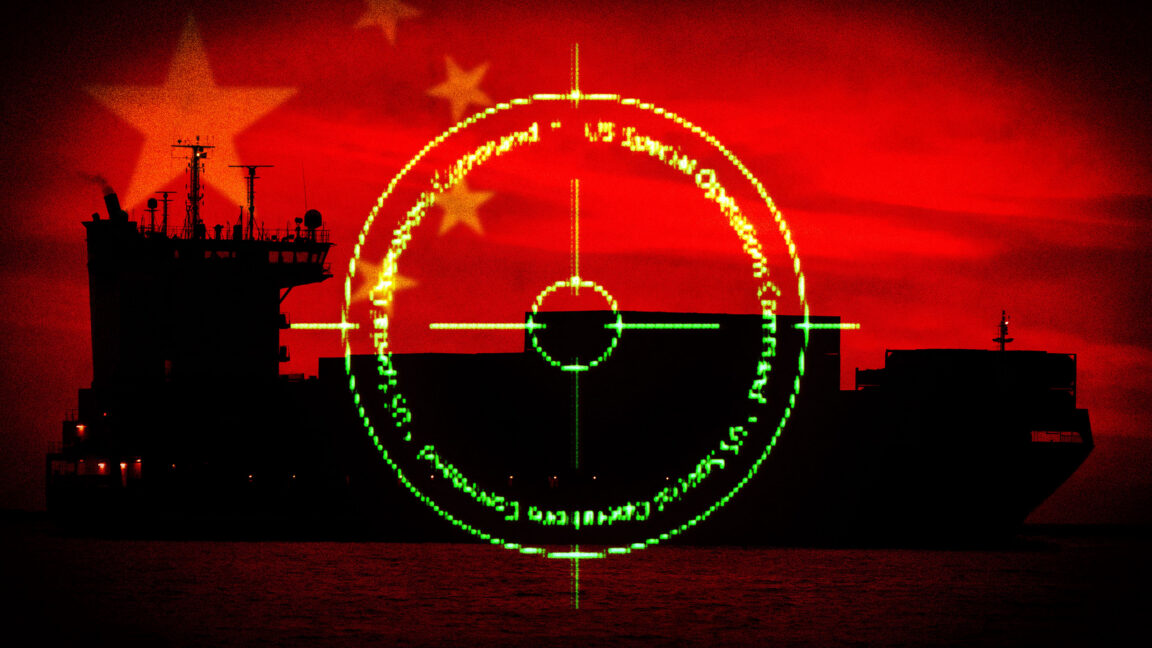
The United States recently averted a potential maritime crisis after nearly boarding a Chinese vessel due to an “entirely false” intelligence report generated by AI tools, as reported by CNN. The misleading information, attributed to an analyst from the U.S. Special Operations Command, alleged that the Chinese ship was carrying components for a nuclear arms program through the Middle East.
Before the blunder was discovered, U.S. military forces were all set to intercept and board the ship with air support. The pivotal revelation came when officials realized that the chatbot employed in generating the report had “inaccurately identified” the materials aboard the vessel. One source indicated that this AI-driven error “almost started a war.”
The Risks of AI Misinterpretation
According to CNN’s investigation, the analyst relied on a chatbot to analyze intelligence reports about the ship’s manifest. This technology fused open-source intelligence with classified signals intelligence, culminating in a flawed report that could have triggered serious consequences.
This incident highlights the dangers of relying solely on AI for sensitive analyses. The inability of AI systems to consistently produce accurate information, sometimes referred to as “hallucination,” has become a pressing concern. AI’s tendency to fabricate data has reached notable discussions, garnering attention as the Cambridge Dictionary named “hallucinate” its word of the year in 2023.
Various professionals—from authors and journalists to judges and doctors—have encountered similar challenges where AI tools produced misleading or false information, raising alarms about their reliability. Despite efforts to implement prompts aimed at minimizing this phenomenon, experts suggest it might be impossible to completely eliminate AI hallucinations.
The U.S. military’s move to integrate AI into intelligence assessments has come under scrutiny. Earlier this year, the Department of Defense introduced an “AI acceleration strategy” aimed at enhancing data accessibility across federated IT systems for efficient AI utilization, including in mission-critical operations.
Editor’s Take
This incident serves as a stark reminder of the potential pitfalls of relying on AI in high-stakes environments. As technology continues to evolve, organizations must prioritize rigorous validation processes to ensure the reliability of AI-generated intelligence. Enhancing oversight will be essential not only for government agencies but also for businesses and developers leveraging AI across various sectors.
Source: arstechnica.com