
Google Partners with Stegra for Groundbreaking Green Steel Plant
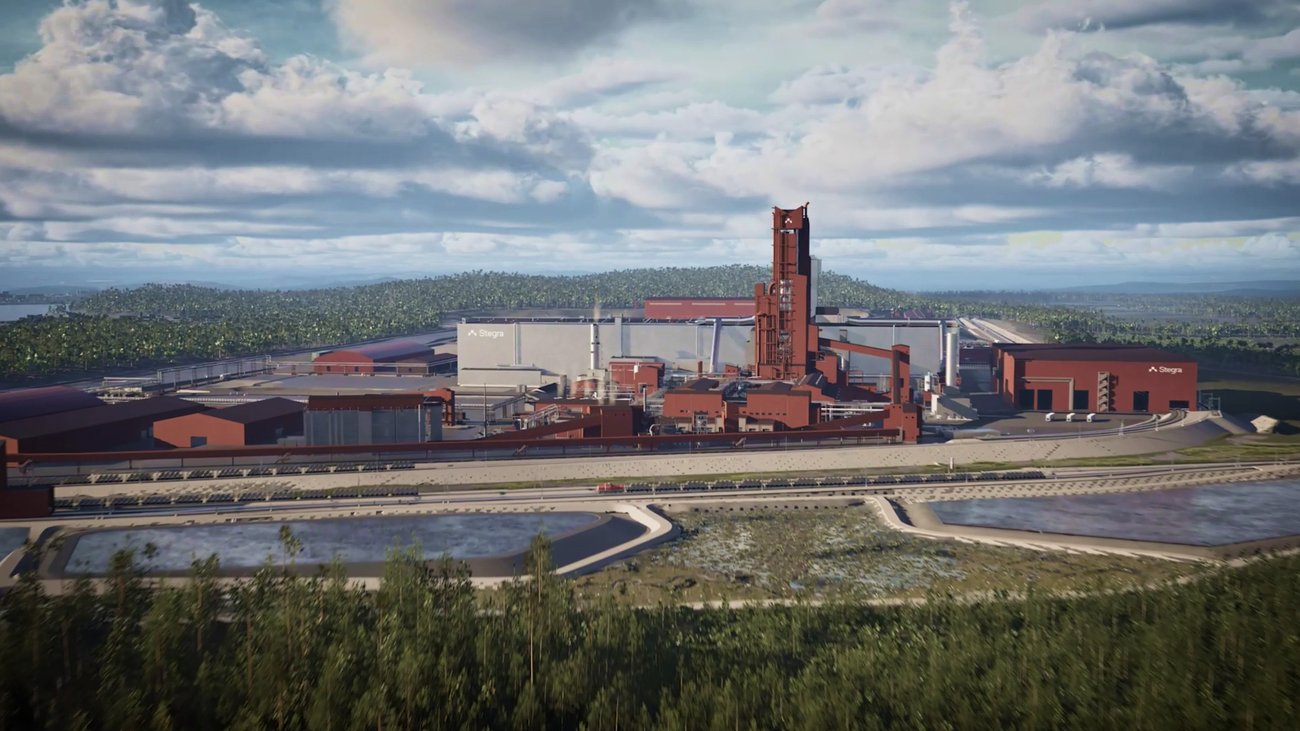
In a significant move towards sustainable manufacturing, Google has announced a partnership with Swedish company Stegra to develop the world’s first large-scale, green hydrogen-based steel plant. This facility aims to produce near-zero emissions steel, aligning with the International Energy Agency’s definition of sustainable steel production. The initiative represents a crucial step in tackling emissions within the notoriously hard-to-decarbonize steel industry.
A Shift from Coal to Green Hydrogen
Traditional steel production relies heavily on coal, a fact that has severe implications for carbon emissions. The new plant, located in Boden, Sweden, will utilize renewable electricity to generate green hydrogen, which will then be combined with iron ore to produce iron. Stegra estimates that by eliminating coal from the process, emissions can be reduced by as much as 95% compared to conventional blast furnace methods.
Environmental Benefits and Market Impact
Under the terms of the new agreement, Google will acquire environmental attribute certificates (EACs) for up to 91,000 metric tons of steel produced in Stegra’s first year. These certificates are vital for companies looking to source sustainably manufactured materials, thereby helping to drive demand and finance emerging technologies. This partnership is expected to promote the use of green building materials, significantly impacting construction emissions.
Google anticipates that this transition can lead to a 40% reduction in embodied carbon emissions associated with data center infrastructure. Their efforts align with previous initiatives, such as integrating low-carbon concrete and steel into over 20 construction projects by 2025.
A Broader Commitment to Sustainability
This collaboration is part of Google’s broader commitment to sustainability. The tech giant is increasingly focusing on innovative methods to reduce its carbon footprint and enhance eco-friendly practices in its operations. By joining forces with coalitions like the Sustainable Steel Buyers Platform, Google is not only aiming to promote green materials but also to pave the way for industry-wide transformations.
As companies seek out effective ways to meet their sustainability goals, platforms that allow businesses to explore different AI capabilities in one platform are becoming increasingly valuable. This is particularly true for firms aiming to analyze the environmental impact of their operations while integrating new technologies.
Conclusion
Google’s partnership with Stegra marks an important milestone in the shift towards sustainable steel production. By utilizing green hydrogen and investing in innovative technologies, both companies are working to make a meaningful impact on the environment and the construction industry. As the market continues to evolve, initiatives like this will play a crucial role in shaping a more sustainable future.