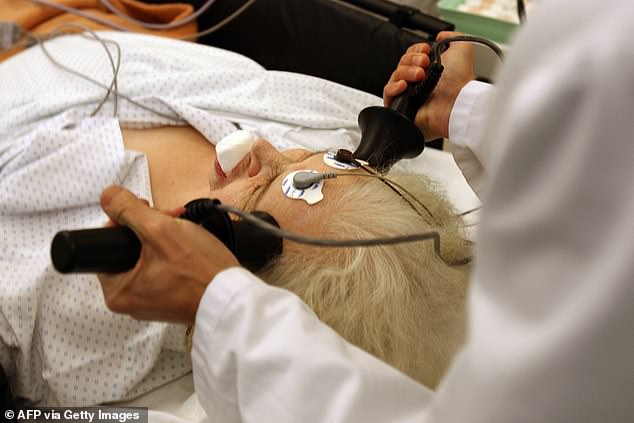

A Scottish health board, NHS Tayside, is facing serious allegations of clinical negligence due to its failure to perform necessary evaluations on patients undergoing electroconvulsive therapy (ECT). This treatment, which passes up to 120 volts of electricity through the brain, has come under scrutiny amidst a public inquiry connected to a controversial brain surgeon.
The board admitted to not conducting thorough pre- and post-treatment assessments, leaving physicians unable to determine if patients truly required ECT, if the treatment was effective, or if patients experienced any adverse effects.
Dr. John Read, a clinical psychology professor at the University of London and author of multiple studies on ECT, criticized the board’s oversight, stating, “These are basic, crucial steps. Failure to carry them out amounts to clinical negligence.”
ECT is frequently utilized as a last resort for severe conditions such as depression, bipolar disorder, and schizophrenia. While its efficacy remains highly debated, the procedure can lead to various side effects, ranging from less severe issues like confusion and memory loss to more serious complications such as prolonged seizures or heart problems.
To ensure patient safety, new clinical guidelines were introduced in Scotland in 2023. However, a recent audit indicated that despite having administered the highest frequency of ECT among Scottish health boards last year, NHS Tayside significantly failed to conform to these standards.
Historically, ECT was first developed in the 1930s when physicians observed that patients with both epilepsy and mental health disorders exhibited an improved mood following seizures.
A report from the Scottish ECT Audit Network revealed that in 2025, NHS Tayside treated 7.2 individuals per 100,000 population with ECT, in stark contrast to only 2.8 per 100,000 in the neighboring NHS Highland. According to established clinical protocols, every ECT patient must undergo assessments to gauge their illness severity and cognitive functioning before the therapy.
The same report highlighted a significant non-compliance issue, as assessments were not conducted in approximately one-third of the cases in Tayside. Furthermore, regulations indicate that patients should be reviewed minimally after every two treatments to evaluate efficacy and any memory impairment. Yet, Tayside managed to meet this standard in only about 5% of cases.
Dr. Read emphasized the importance of these evaluations, stating, “NHS Tayside is using ECT more than anywhere else. But the board isn’t bothering to assess patients’ cognitive function before treatment, meaning they lack a baseline for comparison and cannot monitor any potential damage.” He added that the lack of post-treatment reviews prevents timely cessation of care if patients begin to experience memory loss.
In response to the allegations, NHS Tayside has announced corrective measures aimed at addressing these deficiencies, claiming improvements in compliance. A spokesperson noted that new documentation to enhance clinical oversight and procedural clarity has been implemented since January.
NHS Tayside is currently under examination due to an unrelated inquiry concerning brain surgeon Sam Eljamel, who is suspected of having harmed numerous patients during his medical practice.
Editor’s Take
This troubling situation underscores the critical importance of rigorous patient assessment protocols in mental health treatments, particularly in high-risk procedures like ECT. The implications for patient safety, accountability, and trust in the healthcare system cannot be overstated. For health providers, ensuring compliance with clinical standards is fundamental in safeguarding patient well-being and maintaining public confidence.
Source: www.dailymail.com