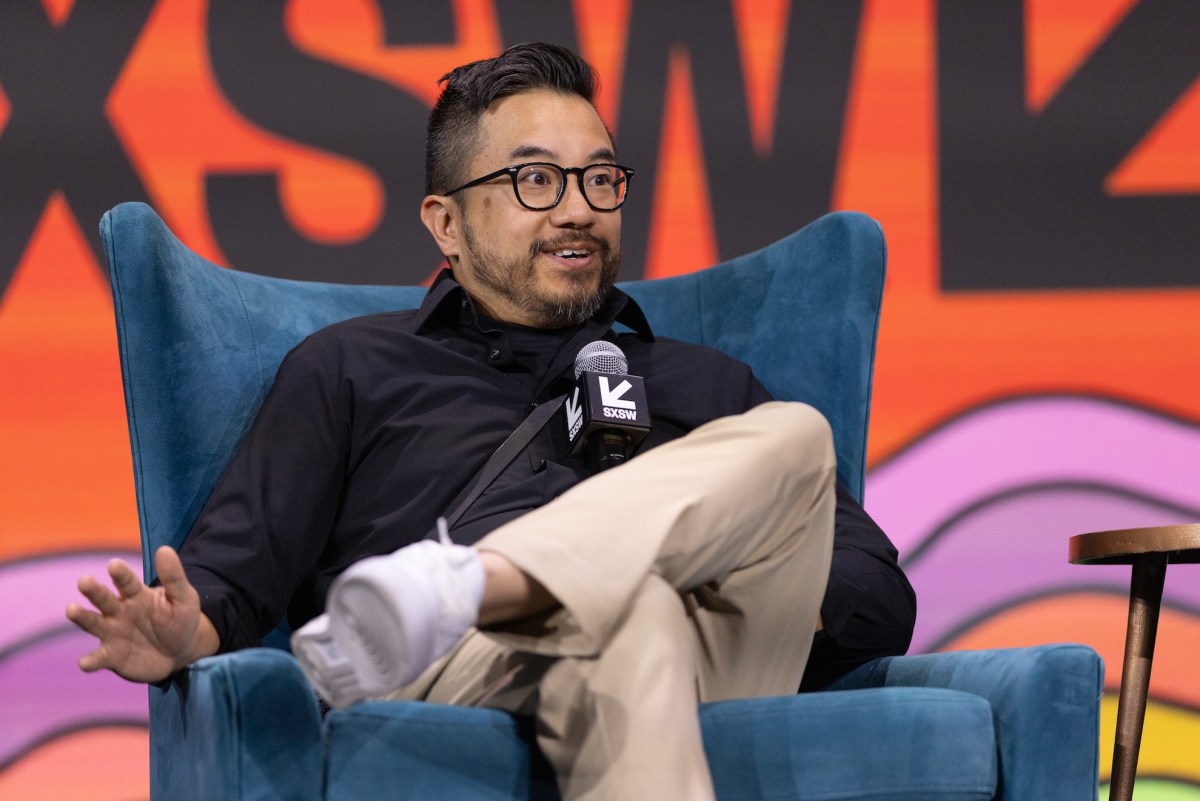
Y Combinator’s Garry Tan Advocates for Open-Weight AI Labs to Refine Frontier Models

Garry Tan, the CEO of Y Combinator, has expressed his desire for minimal regulatory interference regarding the use of distillation techniques by AI labs in the U.S. He advocates for American open-weight AI labs to leverage these techniques to enhance their capabilities, similarly to what their Chinese counterparts are doing.
In a recent interview with CNBC, Tan stated, “I would do nothing.” He further suggested that the U.S. could benefit from its own regime for AI distillation.
Tan elaborated in a discussion with TechCrunch that his vision involves smaller American AI labs using similar training methodologies to those employed by larger American firms. This approach would provide a wider range of open-weight AI options that stand independent from Chinese technologies.
The process of distillation refers to a model maker prompting another model to learn its processes and reasoning capabilities. This technique is generally accepted and widely used by AI labs to refine new models.
This past week, Anthropic released a report accusing Chinese AI labs of conducting “illicit distillation attacks.” They assert that these entities are disguising their identities to extract knowledge without authorization, utilizing fraudulent credentials in the process. Anthropic’s CEO, Dario Amodei, has recently urged U.S. regulators to take firm action against such practices.
In contrast, Tan’s perspective highlights a different approach to the issue. He is not advocating for unethical practices, but rather emphasizes the importance of transparency and legality in the distillation process. He argues that it is excessive for AI laboratories to dictate how their users can interact with the data obtained from their models.
Tan also points out that proprietary AI firms have historically utilized vast amounts of publicly available content, including copyrighted material, without seeking prior permission from intellectual property owners.
“Controlling what users and customers do with API calls to closed weight models feels constraining,” he articulated. “There’s a role for the government to affirm that access to knowledge derived from widely available public data should be treated as a public resource rather than something restricted by stringent terms.”
A fervent advocate for AI integration, Tan has previously labeled himself as experiencing “cyber psychosis.” He is keen on achieving a balance between open-weight AI models and frontier labs to foster innovation.
“The frontier labs are critical in pushing progress forward. Our aim is to ensure sustainability and solid business models for them,” Tan explained to CNBC. He emphasizes the necessity for open-weight solutions to empower users and provide broader access.
The biggest concern for Tan is the possibility of all significant AI advancements being controlled by a single, dominant provider. He describes this scenario as a “nightmare,” where one company with unparalleled access to funding and top researchers monopolizes the field.
Editor’s Take
This discussion emphasizes the critical balance between innovation and ethical practices in the AI industry. Tan’s call for a regulatory hands-off approach for American AI labs could foster a competitive landscape, benefiting users and businesses alike. However, it raises questions about the implications of knowledge extraction without permission, which could lead to broader legal and ethical challenges down the line.
Source: techcrunch.com