
The Water Crisis Impacting Arizona’s Thriving Semiconductor Industry
Arizona is emerging as a crucial player in the bipartisan initiative to restore American semiconductor manufacturing. However, the state is projected to face a significant challenge, as it may soon lose over 25% of its annual water intake from the Colorado River.
The Colorado River, which stretches 1,400 miles, serves as a vital water source for Arizona and several other western states. A recent federal decision aimed at addressing the river’s diminishing flow will have a disproportionate impact on Arizona’s already drought-stricken communities. The river supplies more than a third of Arizona’s water needs, which poses a dilemma for the state as it continues to attract major semiconductor manufacturers like TSMC and Intel.
Water conservation efforts are underway among city planners and industry leaders. Nevertheless, as reliance on the Colorado River decreases, both manufacturers and residents are likely to confront rising water costs. The pressure is mounting over who bears the financial burden of the necessary infrastructure adjustments, stirring debate on what constitutes a valuable water use.
“A stable supply of water is critical to chip production,” noted TSMC’s deputy spokesperson, Nina Kao.
According to Kathryn Sorensen from the Kyl Center for Water Policy at Arizona State University, the current economic shifts are painful. “When there’s a water scarcity issue, you have to start looking at what the uses of that water are that bring the most value to the community,” she remarked. This raises profound questions about balancing agricultural needs—currently responsible for over 70% of Arizona’s water consumption—against the industrial demands of semiconductor fabrication, which consumes only about 6%.
As semiconductor facilities utilize “ultra-pure” water for various manufacturing processes, the industry is growing swiftly. A single facility may require up to 10 million gallons of ultra-pure water daily, translating to nearly 16 million gallons of municipal water. The rising tide of new chip factories, fueled by federal funds from the CHIPS and Science Act, promises further escalations in water needs.
Intel, utilizing a $7.86 billion grant from the government, is set to invest $32 billion in two new factories and the expansion of an existing site in Arizona. In 2025 alone, its Chandler facilities used more than 2.7 billion gallons of freshwater. Similarly, TSMC plans to construct at least six new semiconductor fabs in Phoenix, with its first fab consuming around 4.75 million gallons daily—equivalent to the water usage of more than 14,000 homes.
“There’s not enough water for everything we want to do with it,” Sorensen cautioned.
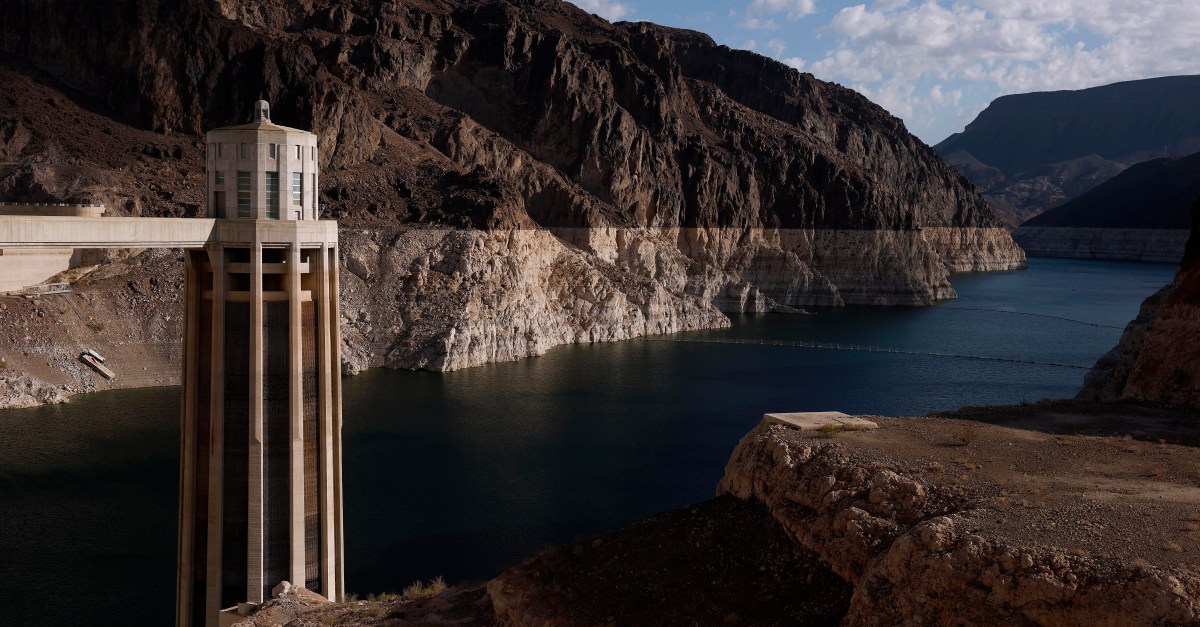
The Colorado River is currently under severe stress, having experienced “unprecedented” drought conditions for over 25 years. Climate change is exacerbating the situation, as increasing demands combine with decades of overuse. This has led to conflicts over water allocation among the 40 million residents dependent on the river stretching from Denver to Los Angeles.
Arizona stands to face the brunt of planned cuts in water allocations, losing at least 760,000 acre-feet of water annually starting in 2027. The City of Phoenix, utilizing around 300,000 acre-feet each year, isn’t as reliant on Colorado River water compared to other areas, as the majority of its supply comes from underground aquifers. Officials assert that cities in the region have prepared for impending cuts, relying on previously stored underground water.
However, increased reliance on alternative sources will likely escalate tap water prices over the long term. New infrastructure requirements, such as additional wells and pipes, will contribute to these higher costs. Despite establishing a proactive approach to manage resources, city officials acknowledge potential price hikes that would affect both residents and industries alike.
As the federal government prepares to cut water intake, Phoenix’s Mayor, Kate Gallego, has expressed concerns regarding the fairness of the changes. She advocates for new federal support to mitigate future water costs. TSMC’s plans are aligned with these developments, as the company prepares to face similar price increases like residential customers, highlighting the broader implications for industrial water use.
The influx of water-sensitive semiconductor facilities in Arizona creates a paradox as both the local environment and the economy contend with rising demands. The decisions made now will profoundly affect the region’s future water policies and availability.
Editor’s Take
This situation underscores the critical balance between technological advancement and environmental sustainability. As water scarcity persists, the decisions made today will not only shape operational costs but also the future landscape of the semiconductor industry and its impact on local communities.
Source: www.theverge.com